Alpha Gal Diet: What’s Safe, Off-Limits, and Risky

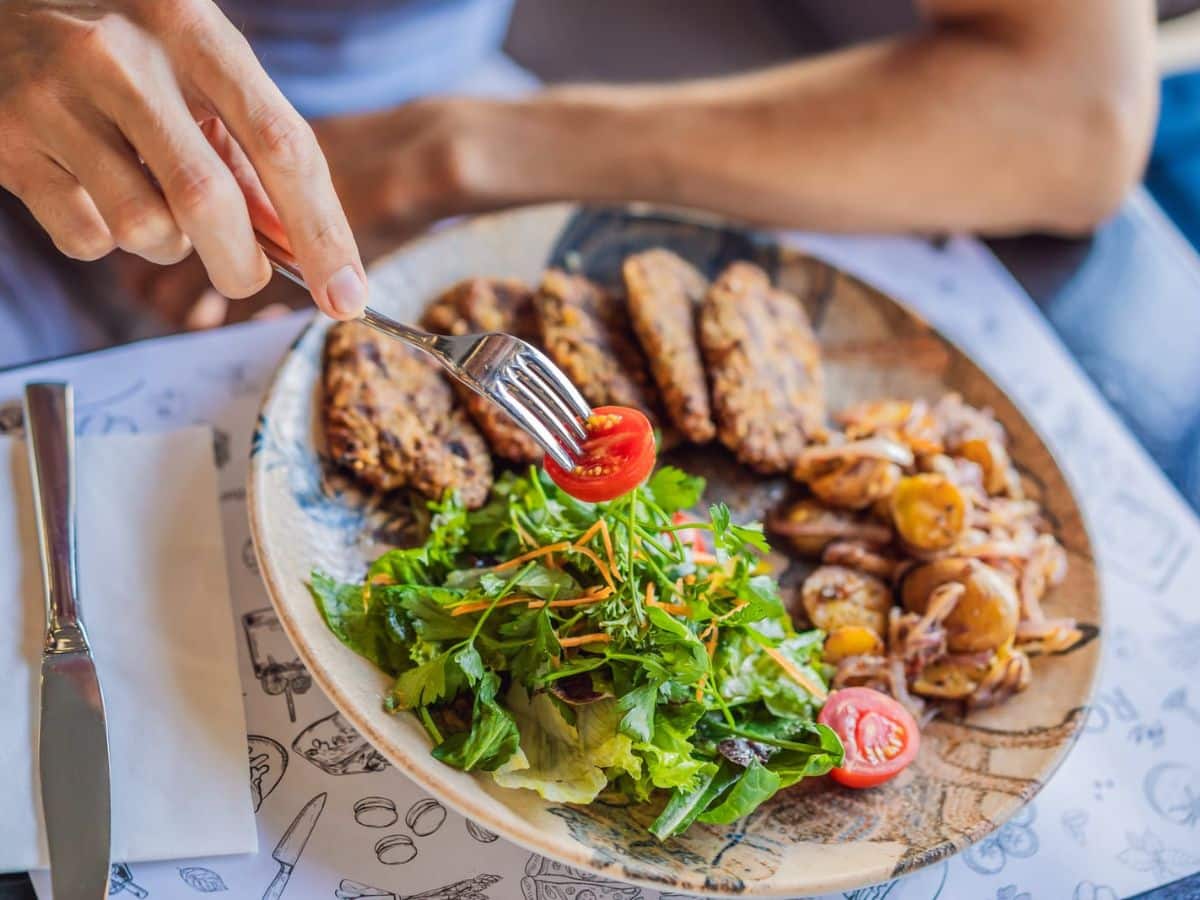
Person holding a fork with a cherry tomato over a plate containing salad greens, sliced tomatoes, cooked vegetables, and several pieces of grilled food.
Photo Credit: YayImages.

That’s what makes the alpha-gal diet so frustrating. It isn’t a neat little checklist. It’s a moving target that can shift based on your sensitivity, your ingredient knowledge, and sometimes even your most recent tick bite.

This article helps you understand the alpha-gal diet. I’ll walk you through what is generally safe, what is clearly off-limits, and what deserves a closer look before it lands on your plate. If you want a clearer framework for sorting foods into what’s safe, what’s risky, and what’s off-limits, I walk through my real-life decision process in Eating Well with Alpha-Gal.

Key Takeaways

  • Most people with alpha-gal syndrome need to avoid mammalian meat and mammal-derived ingredients.
  • Poultry, fish, eggs, fruits, vegetables, grains, nuts, and seeds are usually safer options.
  • Foods like dairy, gelatin, carrageenan, collagen, and natural flavors can be risky depending on personal sensitivity.
  • Ingredient labels do not always tell the full story, so packaged foods often require extra caution.
  • Your alpha-gal trigger list can change over time, especially after additional tick bites.

To help offset the costs of running SageAlphaGal.com, you’ll find affiliate links lightly sprinkled throughout the site. If you choose to make a purchase via one of these links, there’s no additional cost to you, but I’ll earn a teeny tiny commission. You can read all of the legal blah blah blah (as my little niece says) on the full disclosure page.

What is Alpha-gal Syndrome?

Before we dive into the alpha-gal diet, let’s tackle a fundamental question: What is alpha-gal syndrome? Alpha-gal syndrome is an allergic reaction to galactose-α-1,3-galactose, a sugar molecule found in most mammalian meats. After a bite from a lone star tick, your immune system can be reprogrammed to react to alpha-gal. Allergic symptoms range from annoying hives to severe gastrointestinal distress to downright dangerous anaphylactic shock — often hours after exposure.

But alpha-gal is not a one-size-fits-all condition. Unlike a conventional food allergy, it’s as varied as the individuals it touches, with reactions and sensitivities that can differ wildly from one person to the next. Take my hiking buddy, for instance — she sidesteps mammalian meat and is good to go. Yet, my oldest daughter has to steer clear of an entire “maybe” list that we’ll explore below.

And it doesn’t stop there. The plot thickens with time, as what’s tolerable today might not be tomorrow — especially if you receive additional tick bites. You could be sipping on a decadent hot chocolate topped with whipped cream and marshmallows, feeling fine, only to find that the next cup sends your body into a tailspin. It’s a dietary roller coaster that keeps those with alpha-gal syndrome on their toes.

Sage Advice: You may also hear alpha-gal syndrome referred to as a mammalian meat allergy or red meat allergy. But as you read on, you’ll quickly learn that alpha-gal can be found in much more than red meat.

Related Article: 5 Surprising Alpha-Gal Diet Benefits That Could Change Your Life

A tablet displaying a digital guide titled "Eating Well with Alpha-Gal" featuring a plate of avocado toast with sliced egg; text below reads "Delivered instantly to your inbox.

Every Alpha-gal Household
Needs This Guide

Trying to figure out alpha-gal life on your own? Don’t!

This 66-page guide is packed with clear, practical advice, sneaky ingredient warnings, and smart swaps to help you stop second-guessing every bite.

This is the guide I wish my doctor had given me instead of just saying, “Don’t eat red meat.”

What is an Alpha-gal Diet?

An alpha-gal diet is a way of eating that avoids foods and ingredients that can trigger a reaction in people with alpha-gal syndrome. For most people, that means cutting out mammalian meat like beef, pork, lamb, and venison. But it usually does not stop there. Depending on the person, alpha-gal can also show up as a problem with dairy, gelatin, collagen, broths, animal-based fats, and certain processed foods.

That’s what makes the alpha-gal diet so frustrating. It would be a lot easier if there were one neat little food list that worked for everyone, but alpha-gal does not play by those rules. Some people can eat dairy and never think twice. Others react to butter, marshmallows, or a casserole made with a can of “cream of something” soup and wind up paying for it hours later.

Alpha-gal is not a one-size-fits-all condition, and neither is an alpha-gal diet. I find it helpful to start with three buckets: foods that are usually safe, foods that are always off-limits, and foods that fall into a risky middle ground. From there, you can build a food list that fits your body.

Why Alpha-Gal Food Triggers Are Different for Everyone

Alpha-gal food triggers are different for everyone because alpha-gal syndrome varies from one person to the next. One person may react only to mammalian meat. Another may also react to dairy, gelatin, or medications made with mammal-derived ingredients. It’s the same syndrome, but it does not always follow the same script.

Part of the challenge is that reactions can vary in both severity and timing. Some people get hives. Some deal with stomach pain, nausea, or diarrhea. Some face serious reactions, including anaphylaxis. And because alpha-gal reactions often show up hours after eating, it can feel like trying to solve a mystery with half the clues missing.

Triggers can also change over time. A food that seems safe today may become a problem later, especially after additional tick bites. That’s why managing alpha-gal often feels less like following a diet and more like learning the rules of a very complex game that keeps changing mid-play.

How to Classify Foods on an Alpha-Gal Diet

When it comes to the alpha-gal diet, most foods fall into one of three categories: usually safe, clearly off-limits, or risky depending on your personal sensitivity. This table gives a quick snapshot of those buckets before I break each one down in more detail below. Because alpha-gal syndrome can vary so much from one person to the next, think of this as a general guide, not a rigid rulebook.

Safe Foods to Eat on an Alpha-gal Diet

Navigating the alpha-gal diet can feel like a culinary puzzle. Yet, amidst the restrictions lies a bounty of safe, delicious foods that can be enjoyed without worry. Let’s explore the vibrant variety of alpha-gal-friendly foods that can fill your plate with color, flavor, and nutrition.

A man is standing in front of a basket of fruits and vegetables.
Photo Credit: YayImages.

Fruits and Vegetables

The rainbow of fruits and vegetables is your playground. Crunch into a juicy apple, savor the sweetness of a ripe strawberry, or roast a medley of vegetables — using a plant-based oil like olive, of course — for a comforting dinner. These natural delights are free from alpha-gal, making them a cornerstone of your diet.

Grains

Whole grains form a foundational element of the alpha-gal diet, offering both variety and versatility. Whether it’s the fluffy quinoa in your salad, the warm rice in your burrito bowl, or the comforting oats in your morning porridge, grains provide essential energy and comfort without risking an alpha-gal reaction.
Nuts and Seeds

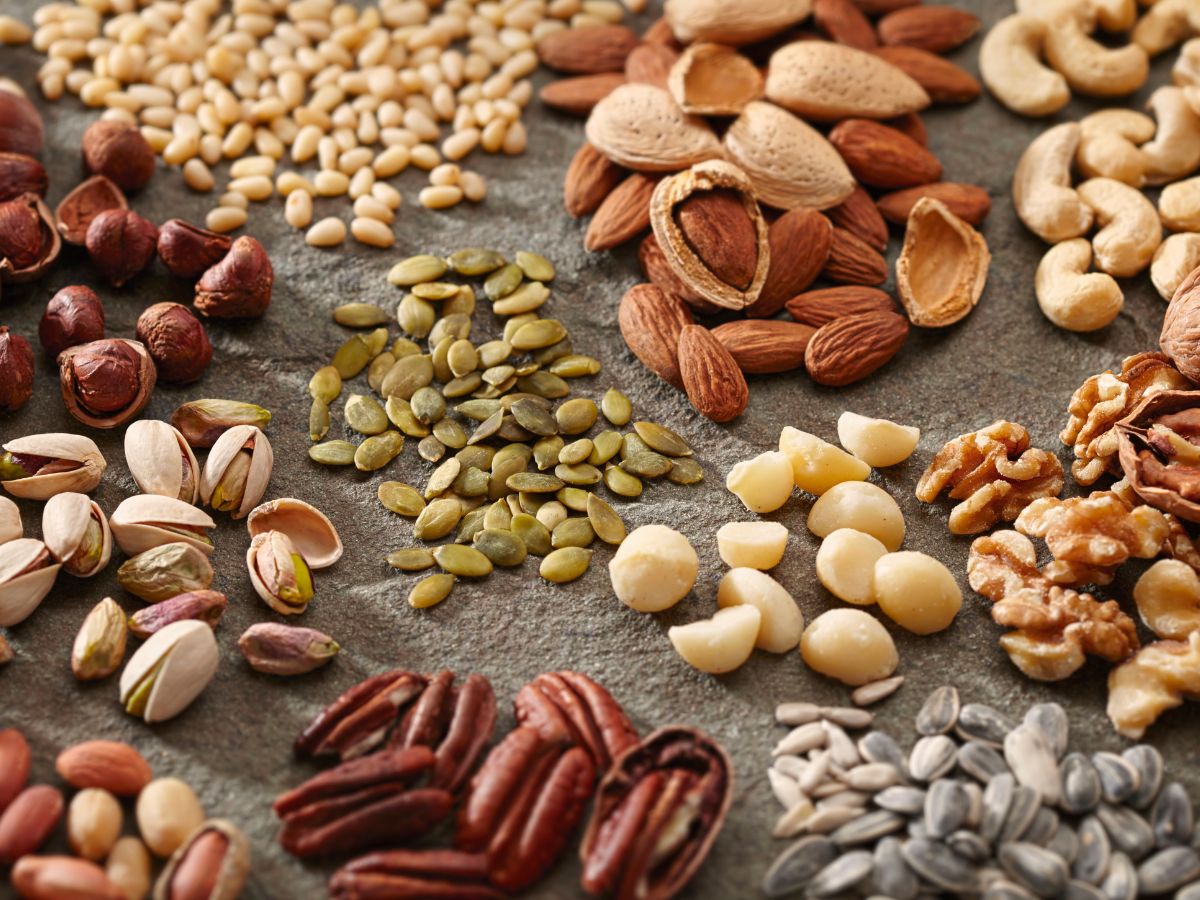
Nuts and seeds are allies in your alpha-gal journey. Almonds, walnuts, chia seeds, and flaxseeds not only offer a satisfying crunch but also pack a nutritional punch with their healthy fats and protein content, all while being completely alpha-gal safe.

Eggs

Eggs are a versatile staple in the alpha-gal diet. Scramble them for breakfast, slice a hard-boiled egg onto a salad, or use them in baking. They’re a fantastic source of protein and nutrients, free from alpha-gal.
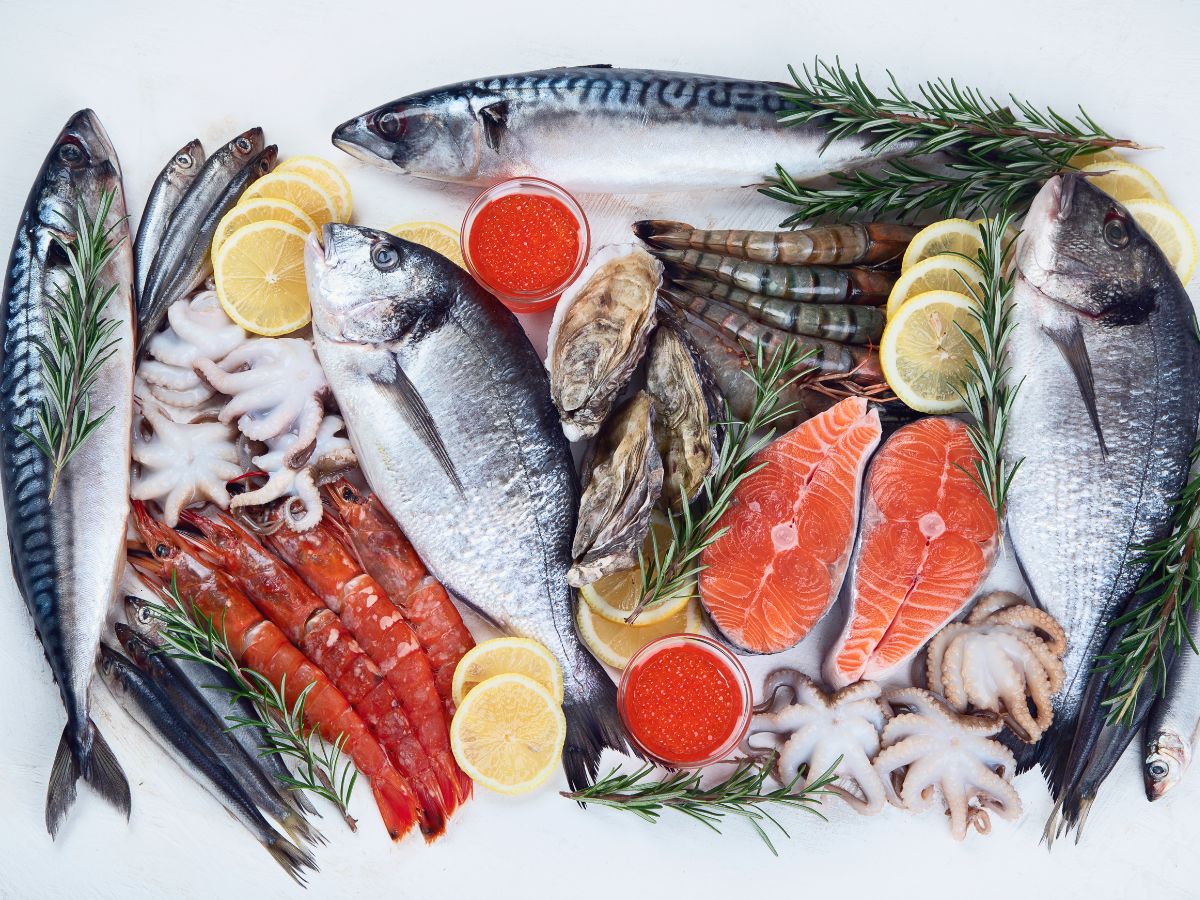
Fish and Seafood

With its vast selection of fish and seafood, the sea offers a safe haven for those on the alpha-gal diet. From a well-seasoned white fish filet to a pot of steamed mussels, these aquatic offerings are alpha-gal allergy-safe proteins packed with essential omega-3 fatty acids.

Sage Advice: Looking for ways to round out a fish or seafood meal? Here are more than 40 incredible sides for fried fish.
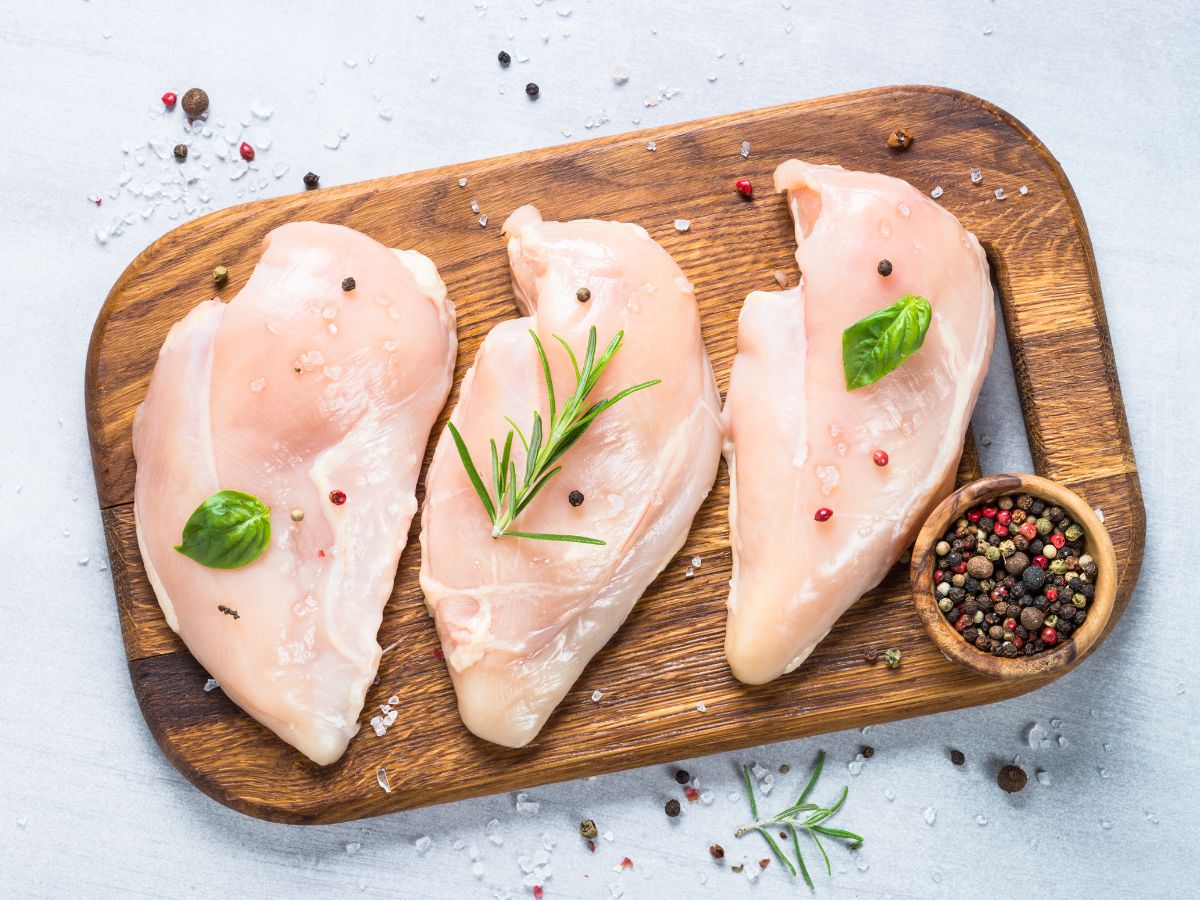
Poultry

For those yearning for the heartiness of red meat, poultry offers a delightful alternative. In addition to grilling and baking, chicken, turkey, and duck can be creatively prepared to replace ground beef and pork sausage. Meanwhile, emu or ostrich can safely stand in for steak and roasts.

Sage Advice: Get a detailed list of foods you CAN enjoy with alpha-gal syndrome, with this free download.

Foods that are Off-Limits on an Alpha-Gal Diet

While an alpha-gal diet can include a variety of safe and tasty foods, mammalian meat products should be avoided by all alpha gals. Saying farewell forever to crispy bacon, a grilled cheeseburger, or a juicy steak can be hard. One of the lessons I’ve learned through adopting an alpha-gal diet is that it is okay to feel sad, angry, or some other emotion as you accept this reality.
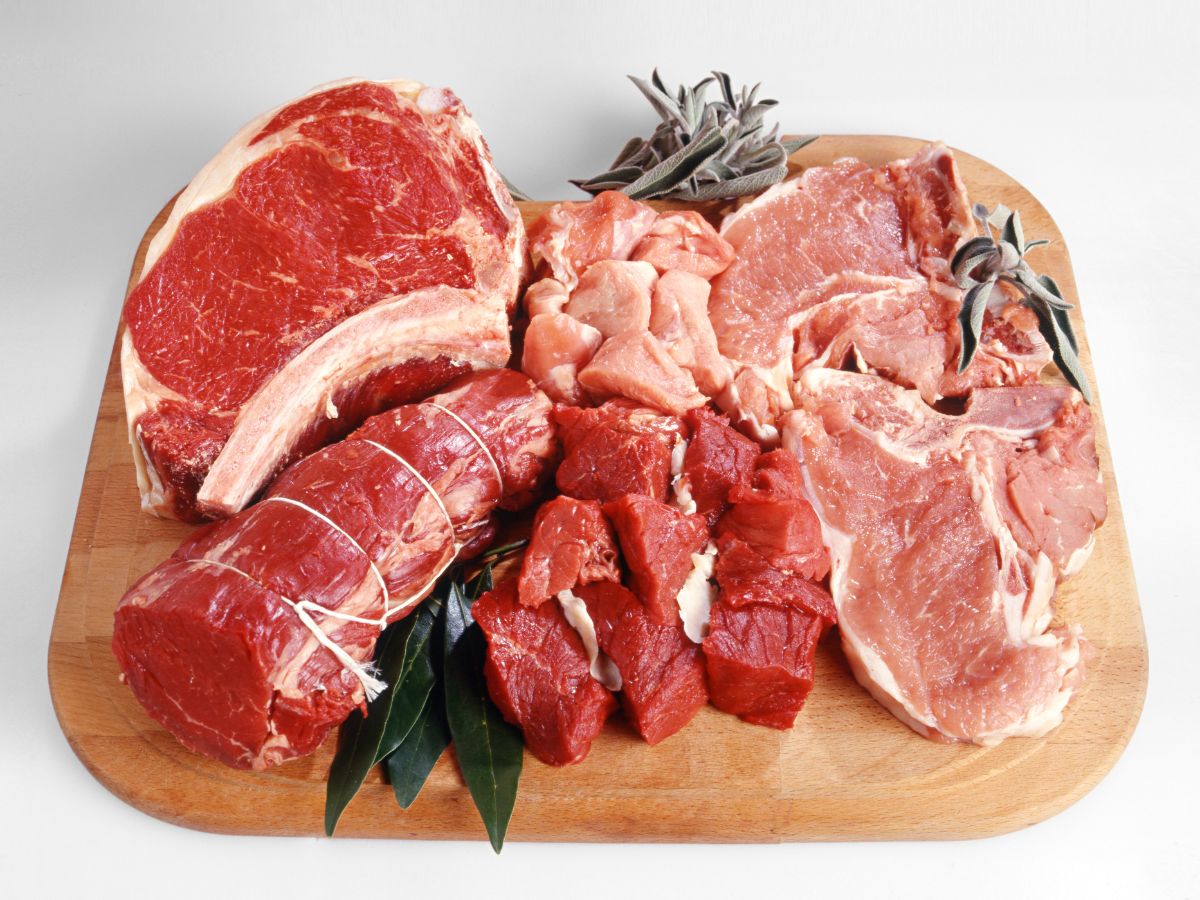
A wooden cutting board full of beef and pork.
Photo Credit: Canva.

Mammalian Meats

When it comes to alpha-gal syndrome, mammalian meats are one of the main culprits, including beef, bison, pork (and yes, that includes bacon), lamb, deer, and rabbit. These meats contain the alpha-gal sugar that can trigger severe reactions.

Sage Advice: While being diagnosed with alpha-gal syndrome means no more “regular” cheeseburgers, you can enjoy these turkey smash burgers. Just be sure to skip the cheese or use a plant-based option if you’re sensitive to dairy.
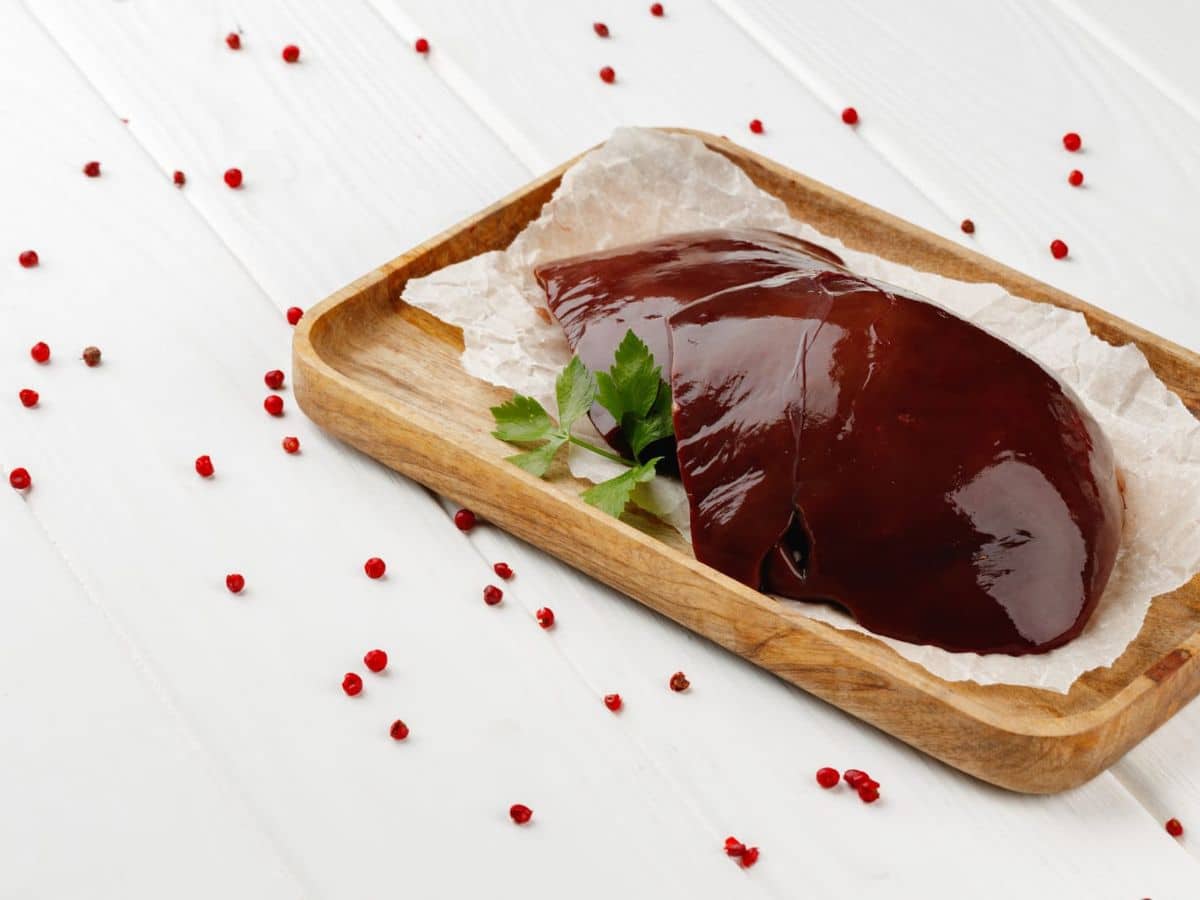
Mammalian Organ Meats

It’s not just mammalian meat that’s off the table — their internal organs are also a no-go. Kidneys, liver, heart, and intestines contain high levels of the alpha-gal sugar. This also includes pork gut casings commonly used in sausages. For someone with alpha-gal syndrome, these organ meats can pose the same risk as the meats themselves, necessitating their complete avoidance to prevent allergic reactions.
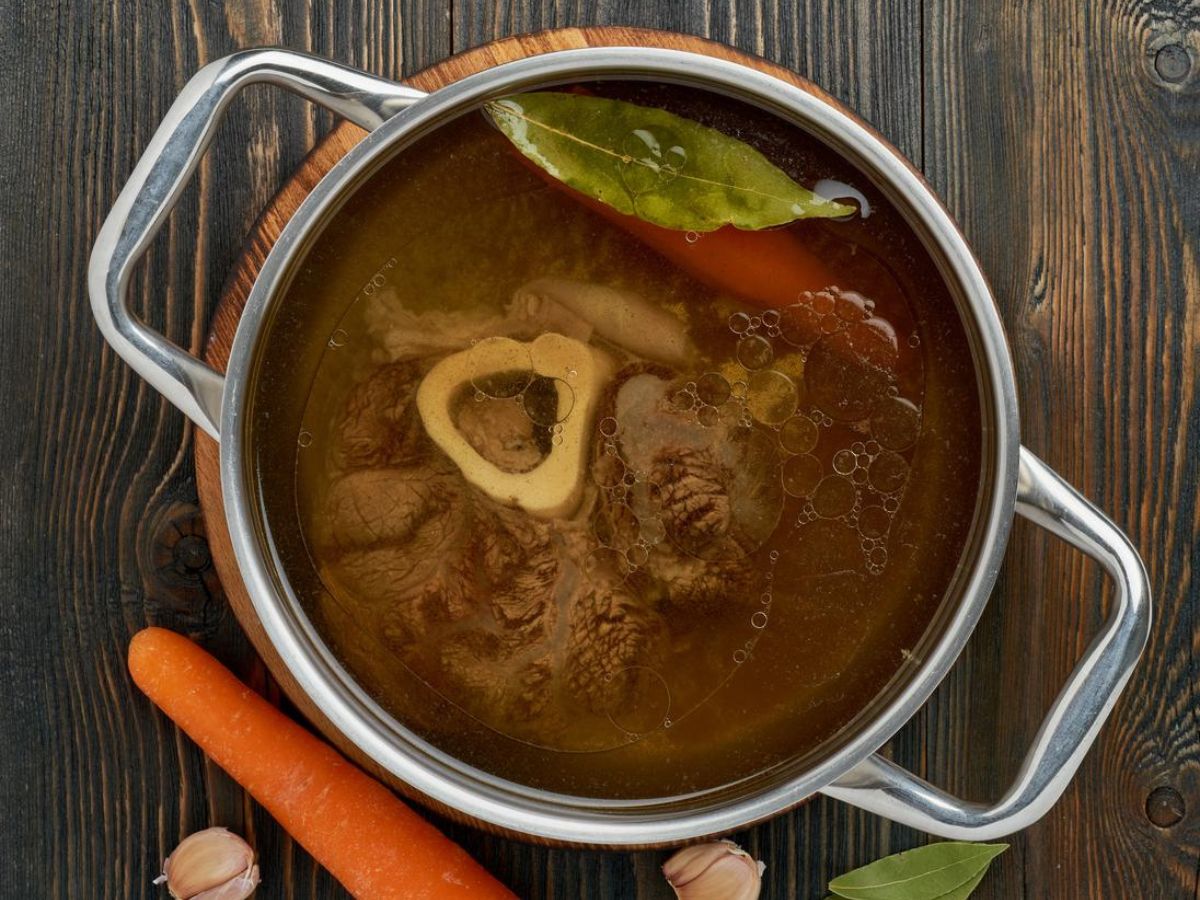
Broth, Gravy, and Items Containing Red Meat Extracts

Beef broth, beef bouillon, and other mammalian meat-based ingredients are also off-limits for people with alpha-gal syndrome, as they contain the alpha-gal sugar that can trigger allergic reactions. This restriction extends to gravies and sauces that are often enriched with mammalian stocks hiding potential dangers in seemingly safe dishes. Even packaged chicken gravy can have hidden mammalian ingredients! For a safe alternative, look for vegetable-based broths and homemade gravies made without mammalian products.
Lard and Beef Tallow

Lard, a type of fat rendered from pork, can be found in everything from refried beans to pie crusts. Beef tallow is a similar animal fat derived from cattle. Both are commonly used for frying. For those with alpha-gal syndrome, it’s important to be aware of these ingredients, as they can be hidden in otherwise innocuous foods like vegetable side dishes or doughnuts.

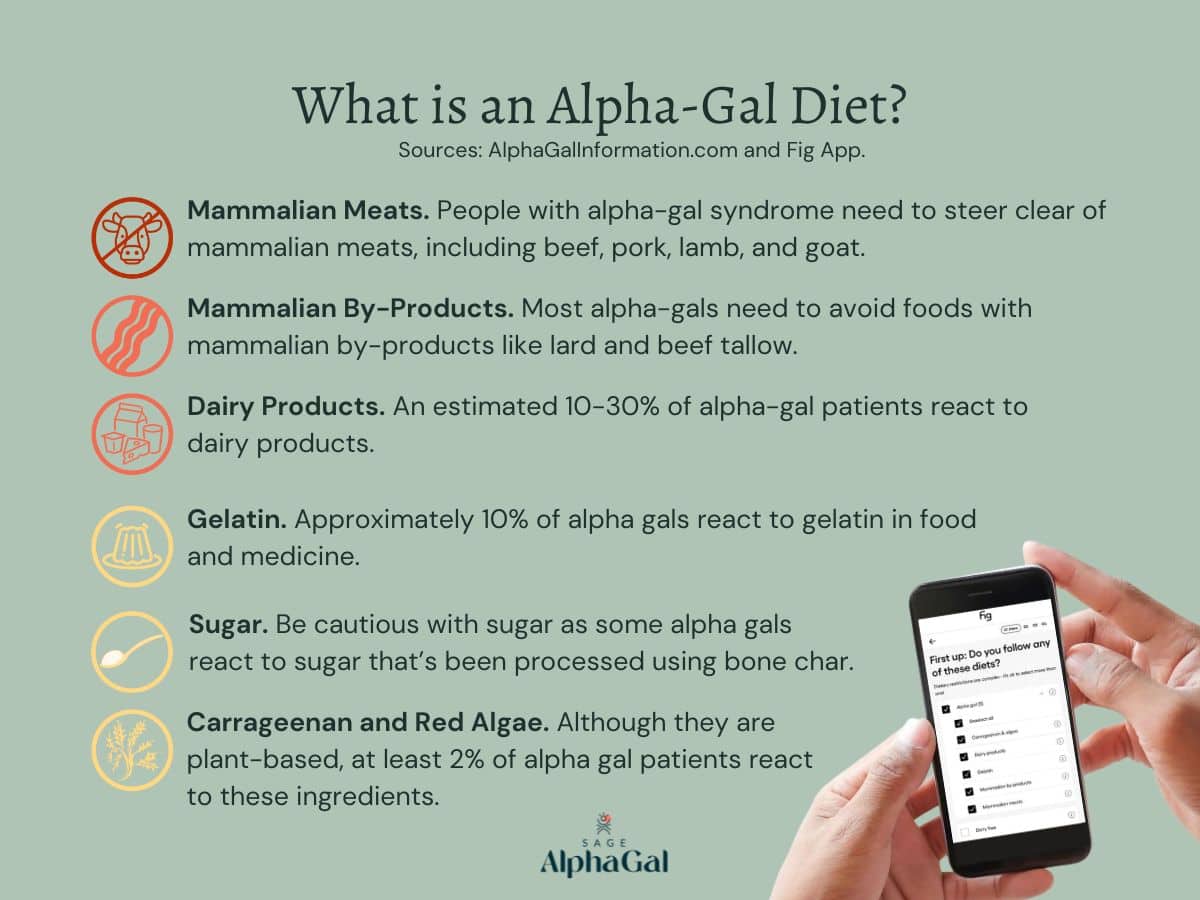
An infographic that answers the question, What is an alpha-gal diet?
Photo Credit: Sage Scott.

Foods to Eat with Caution on an Alpha-Gal Diet

While many people with alpha-gal syndrome can enjoy a wide range of foods without issue, there are certain items that sit in a gray area. These foods may be tolerable for some but can cause reactions in others. When I was determining my own “maybe” list, I created this trigger tracker. If you’re still determining your sensitivities, I encourage you to download a copy.

According to resources like the Alpha Gal Information website and the Fig app, most people with AGS can handle the following foods, but it’s important to know your sensitivities, carefully read ingredient lists, proceed with caution, and pay attention to your body.

Milk, cheese and other dairy products on a blue background.
Photo Credit: YayImages.

Milk and Dairy Products

Dairy can be a complex category for alpha-gal individuals. Some can consume milk, cheese, yogurt, and butter without issues, while others may react to these products. Some people with alpha-gal syndrome find that certain dairy products are harder to tolerate than others. In some cases, ingredients like animal rennet, animal enzymes, or whey may be part of the issue. And like other alpha-gal triggers, your sensitivity can change over time.

Speaking from experience, after two years of avoiding all dairy products when initially diagnosed with alpha-gal by my primary care physician, my allergist encouraged me to slowly introduce select dairy products back into my diet. I started with skim milk and low-fat cottage cheese and, under my allergist’s supervision, slowly added to the list. Unfortunately, I still react to products containing whey or animal enzymes, but I’m so excited to be able to tolerate vegetarian cheese.

Related Article: Dairy Free Baking: Proven Tips for Beginners

Carrageenan

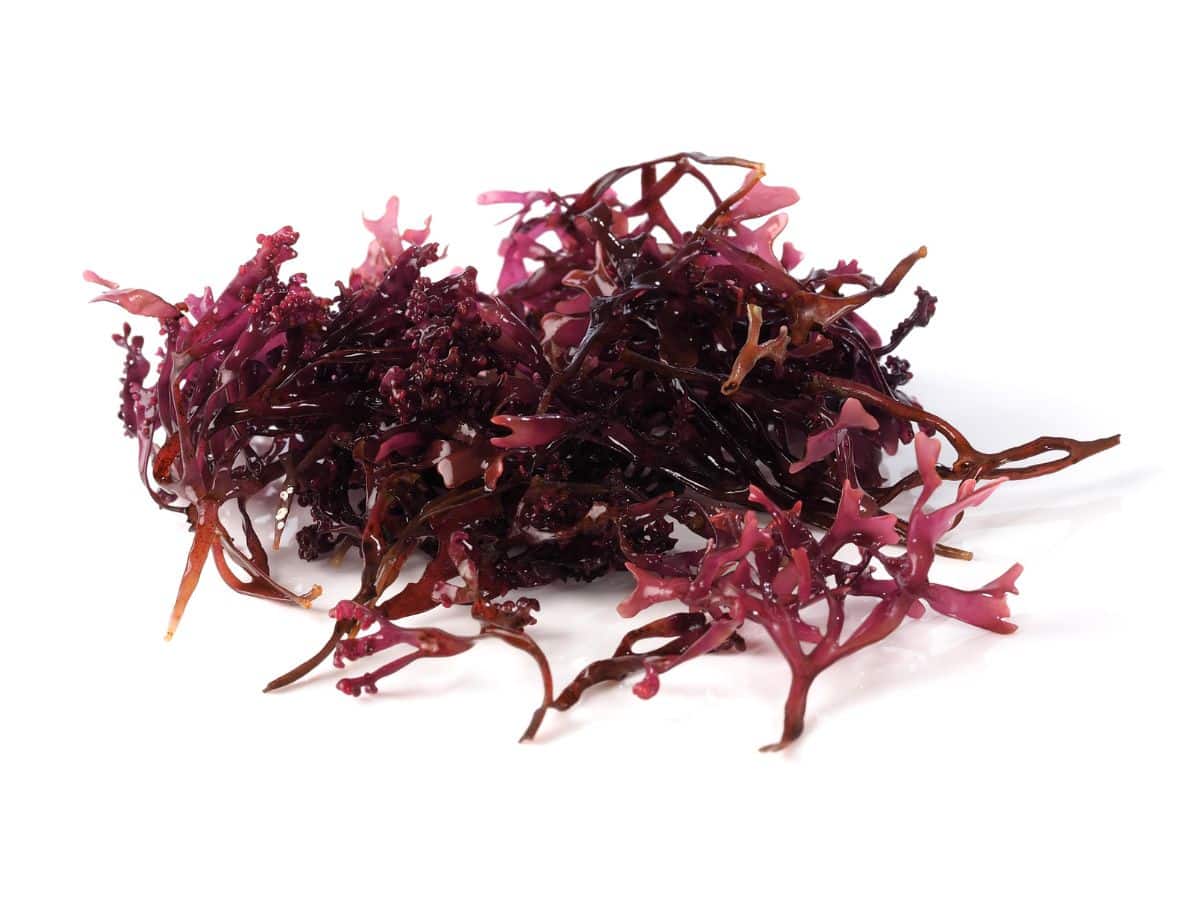
This seaweed-derived substance is a common thickener in dairy products, including some dairy-free vegan items. Although carrageenan is a plant-based, it contains the alpha-gal epitope, which can cause a reaction in some people with alpha-gal syndrome. some people with alpha-gal syndrome report reacting to it. Because sensitivities vary so much from one person to the next, carrageenan is one of those ingredients worth approaching cautiously if it has caused problems for you before.

Gelatin

Found in products like JELL-O, marshmallows, jelly beans, and gummy candies, gelatin is typically derived from bovine or porcine sources, which can be a problem for some people with alpha-gal syndrome. Alternatives made with fish gelatin or vegan options may be safer, although some vegan marshmallows contain carrageenan, which can also be an issue for certain alpha gals.

Collagen

Collagen supplements are commonly sourced from cattle or pigs, which is a no-go for alpha-gal folks. However, marine collagen, derived from fish, is a suitable alternative and may even offer additional health benefits, according to this report.

Natural Flavors and Flavorings

The term “natural flavors” on packaged goods may sound wholesome, but they can be a minefield for people with alpha-gal syndrome. In some cases, these flavorings may include animal-derived ingredients, which is why they deserve a closer look. If a label is unclear, I recommend checking with the manufacturer or using a tool like the Fig app or to reach out directly to the manufacturer.

Sugar

Some people with alpha-gal syndrome choose to be cautious with cane sugar that may have been processed using bone char. If that is a concern for you, look for raw cane sugar, certified-organic cane sugar, or sugar made exclusively from beets. You can also use ingredients like agave, honey, and maple syrup to sweeten your life without the added worry.

Alcoholic Beverages Like Beer, Wine, and Spirits

Following an alpha-gal diet means being vigilant about what’s in your glass as well as what’s on your plate. Some beer, wine, and spirits are processed with clarifying agents like gelatin, and those ingredients may not appear on the label. That lack of transparency can make alcohol a tricky category for some people with alpha-gal syndrome. Resources like Barnivore can be a helpful starting point when you’re trying to make a more informed choice.

How to Build Your Personal Alpha-gal Food List

Building a personal alpha-gal food list is one of the most important parts of living with this condition. A general safe-food list can give you a starting point, but over time, you need a list that reflects your body, your symptoms, and your real-life experience.

I wish I could hand you one perfect alpha-gal cheat sheet and call it a day. But this condition is slippery as an eel in a buttered skillet. What works beautifully for one person may be a complete disaster for another. That’s why your best food list is the one you build carefully, update often, and trust because it is based on your actual experience.

A woman in a grocery store holds a container and examines its label while carrying a shopping basket filled with groceries.
Photo Credit: Canva.

Read Ingredient Labels Carefully

Reading ingredient labels carefully is one of the best ways to avoid accidental alpha-gal exposures. Mammalian ingredients can show up in places you would never expect, especially in processed foods, packaged snacks, soups, sauces, candies, desserts, and convenience foods.

Look closely for obvious red flags like:

  • Beef
  • Pork
  • Lamb
  • Gelatin
  • Collagen
  • Lard
  • Tallow
  • Whey
  • Casein
  • Animal enzymes
  • Broth
  • Natural flavors

Some labels are helpful. Others are about as clear as mud in a rainstorm. When an ingredient looks vague or questionable, I recommend digging deeper before tossing it into your cart. That may mean checking the company’s website, calling customer service, or simply deciding it is not worth the gamble.

Track Your Reactions

Tracking your reactions can help you spot patterns that are easy to miss in the moment. Because alpha-gal reactions are often delayed, it is not always obvious which food caused the problem. You may eat something at lunch and not connect it to your symptoms until much later that evening.

A simple food and symptom journal can help. Write down:

  • What you ate
  • When you ate it
  • Any symptoms you had
  • When symptoms started
  • How severe they were

You do not need a color-coded spreadsheet worthy of a NASA launch. This food allergy tracker can do the job just fine. The goal is to give yourself a clearer picture of which foods feel safe, which ones raise questions, and which ones deserve a permanent ban from your kitchen.

Recheck Foods After New Tick Bites

One of the most maddening parts of alpha-gal syndrome is that your food tolerance can change, especially after new tick bites. A food that seemed perfectly fine last month may suddenly move onto your risky list after your immune system gets stirred up again.

That means your alpha-gal food list should not be carved in stone. It needs to be revisited from time to time, especially if you have had new or worsening symptoms, or if you know you have been bitten again.

If a previously safe food starts causing problems, pay attention. Your body may be giving you new marching orders, and alpha-gal is not known for subtlety. It tends to barge in, flip the table, and make sure you notice.

Work With Your Doctor or Allergist

Your doctor or allergist can help you make sense of symptoms, test results, and food reactions, especially when your trigger list starts to feel confusing. While personal experience matters a lot with alpha-gal, medical guidance still has an important place.

A good doctor can help you:

  • Confirm your diagnosis
  • Review symptoms
  • Talk through possible triggers
  • Create a plan for reactions
  • Decide whether you need emergency medication like epinephrine
  • Monitor changes over time

Not every provider knows alpha-gal syndrome well, which is frustrating in its own special way. But if you can find a doctor or allergist who understands the condition, that support can make the whole process feel a lot less like wandering through a grocery store blindfolded.

Frequently Asked Questions About the Alpha-Gal Diet

Can you eat dairy on an alpha-gal diet?

Some people with alpha-gal syndrome can tolerate certain dairy products, while others react to milk, cheese, butter, whey, animal rennet, or animal enzymes. Dairy is one of those frustrating categories that depends a lot on your personal sensitivity.

Is chicken safe for alpha-gal syndrome?

Yes, chicken and other poultry are generally considered safe for people with alpha-gal syndrome because they do not come from mammals. Still, it’s smart to double-check marinades, broths, and processed ingredients.

Is gelatin safe for people with alpha-gal syndrome?

Because gelatin is usually derived from bovine or porcine sources, it is often a problem for some people with alpha-gal syndrome. However, fish gelatin is typically a safe alternative.

Can alpha-gal food triggers change over time?

Yes. Some people find that foods they once tolerated become a problem later, especially after additional tick bites or changes in sensitivity.

What is the safest way to build an alpha-gal food list?

Start with foods that are usually safe, add risky foods carefully, and avoiding all off-limit items. Read ingredient labels closely, and track your symptoms over time. A doctor or allergist can also help you sort out confusing patterns.

Do You Follow an Alpha-Gal Diet?

What alpha-gal friendly foods do you enjoy? What foods do you miss most? Do you have any additional tips and tricks to pass along to your fellow alpha gals? Share your thoughts in the comments section below.

Thank you for sharing!

Similar Posts

23 Comments

  1. I am so happy to find this website. My friend Mary was recently diagnosed with Alpha-Gal and every month we get together (with our other girlfriends) and have a dinner party. I was panicking because it is my turn to host and I want to surprise her with an all Alpha-Gal friendly menu. This post covered all of my questions! I also love all the other posts you have with recipes I can make. Thank you so much!

    1. I’m so sorry to hear your friend has alpha-gal, but she’s so lucky to have an allergy ally like you! Being able to continue to enjoy food-related festivities, like your monthly girlfriend get-togethers, means a lot to the newly diagnosed. You are such an awesome friend! <3

  2. I have been alpha Gal cooking for over a year now for my Husband with Alpha gal. You newsletter have been very insiteful. We are awaiting his blood test results for 2023. Thank you for all you do to educate and inform new Alphagal patients. The hardest part has been overcoming the fear of eating out and of traveling. We got an RV so I can cook on the road and alleviate some of that stress for us.
    My husband was a picky eater before and now even more so. But using some of the plant based meats has been a lifesaver, because ground turkey was getting old fast. Now I supplement the ground turkey with beyond meat and the flavor enhancement is amazing.
    Every week I try something new. It is challenging but absolutely doable.
    Keep up the good work!!
    Blessings for 2024.

  3. I was diagnosed with alpha-gal after suffering through 6-7 years of HUGE hives covering my entire body and digestive symptoms which I was told was IBS. I’m wondering if you know of a good marine collagen I could order. I’m 65 and need it badly! Thanks!

    1. I’m so glad you finally have a diagnosis and can manage your condition. I like both of these options: Vital Proteins and Amandean. I will warn you that, unlike bovine collagen, marine collagen doesn’t always dissolve quite as smoothly and can sometimes add a slightly fishy taste. So while I would pour a scoop of bovine collagen into my morning coffee (back when I could still have it), I don’t like adding marine collagen to my morning cup of java. However, I do put it in my oatmeal before I cook it or into my smoothies. Hope that helps!

  4. This site has been a blessing. Thank you for always good information. I have been diagnosed since 2020 and it has been challenging. Finding my way. I take xolair injections once a month. Between the injections and watching what I eat, life is good.

    1. Hi Cheryl! Thank you SO MUCH for taking the time to share such kind and encouraging words with me. I’m so sorry you’re part of the alpha gal community, but glad to hear you’re managing well and enjoying the good life (despite this insane food allergy). Take good care of yourself! <3

  5. My husband just found out that he has Alpha-gal. He is having a hard time adjusting to no red meat, we live a small town with limited access to a lot of things that I’ve read about. What’s a good site or somewhere we can order certain things from?
    Thank you

    1. I’m so sorry to hear your husband has alpha-gal. He’s lucky to have an allergy ally like you! I guess it depends on what it is you want to purchase. I have good luck with Amazon (especially now that they own Whole Foods) and Walmart. Feel free to email me directly (hello @ sagescott.com) and we can chat specifics. I’m happy to help any way I can! 🙂

    2. Hey Elizabeth,Henry here,just a quick note to say,I too just got my bloodwork back and am panicking a little.This is all new to me and I have nothing hardly to eat here that wont cause a reaction of anaphlaxis (required two hospital stays).So to say the least,I feel you on this one.God bless,hope its working out ok since a little time has passed.My is just beggining.

  6. I too have just been diagnosed with AGS and already had my first trip in the ambulance less than a week in of getting diagnosed! Anaphylactic over Jello. And it was my third time to have it, so I was shocked that it went to that level of danger so quickly. I want to be super careful and your site has been such a help! I feel like it’s a good book that I can’t put down! Thank you for compiling all of this helpful information and resources for us fellow AGS’s. You are bringing some light to the darkness of the situation. Thank you!!

    1. I’m so sorry to hear you are part of the AGS club, especially with a trip to the ER in an ambulance. Gelatin and other “hidden” triggers like that can be really hard to identify. I hope you’re feeling better now and are adjusting to your new normal. I also really appreciate your kind words. It means everything to me that this site is helping a fellow alpha gal adjust to this often misdiagnosed and frequently misunderstood condition. Take good care of yourself! <3

      1. Thank you for your sweet reply! I plan to be extremely careful with what I eat and I am now better prepared thanks to your website/blog. Thank you for all of your help! Wishing you the best, Rebecca

  7. Hi Sage,
    I really appreciate your website, it’s very informative and well designed. I was diagnosed with AGS about 2 years ago. Not sure when I got the tick bite, but I had many GI issues for 8 months or so before the diagnosis and had no idea why.
    I owned a BBQ supply store in Wichita, KS, and taught BBQ and smoking classes. BBQ was one of my favorite foods. One day I cooked a wonderful brisket for a big family dinner. We ate dinner at about 6am and I felt OK in the morning. The brisket was so good that I had brisket and eggs for breakfast at about 8 am. I was at the VA medical center in Wichita for an 11 am appointment for my annual physical. While in the waiting room, my tongue started swelling. They got me in the ER, and then my throat started swelling, and they told me that I was in anaphylactic shock. After 5 hours in the ER and a lot of meds and probing, they got it under control and admitted me to the hospital for a couple of days. Once they diagnosed AGS, I was devastated to say the least.

    Now the strange part… About a year later, I cooked some Wagyu ribeye steaks for some friends. They all commented that they were the best steaks they had ever had. I couldn’t resist, so I tried a couple of bites. They were right, it was amazing. I had no issues at all. Have you ever heard of AGS and Wagyu beef? Thanks again for your amazing website.

    1. Hi Richard! Thanks for sharing your story and your kind words about the site. You know I’m not a doctor, but as a fellow alpha-gal, I think two things may be going on with you and Wagyu beef. First, your AGS may be in remission. Unlike other conditions, this is possible with AGS. In fact, my middle daughter is currently experiencing this. Second, I understand that not every alpha-gal reacts to every potential allergen every time. If it were me (especially based on your original reaction), I’d be VERY careful around all mammalian meats at all times. I know it stinks, and this Kansas City girl sure does miss burnt ends! Take good care of yourself! <3

  8. Hello
    My fiance and I have a 7-year-old daughter. Who was just diagnosed with alpha-gal and we are at a lost. The more we read the less and less this poor girl can have. We have been doing everything we can to read every label but we keep finding out the things we gave her yesterday she shouldn’t have. It is so stressful lately. We have so many questions but everytime we think we understand something we read something else that says we were wrong. We are definitely lost in all this and are feel extremely overwhelmed. We have a appointment with an allergist and hoping to get so better answers. But she is 7 and doesn’t understand what her reactions are so we are in a losing guessing game with her life and well-being. Any and all information is helpful thank you for all your information

    1. I am so sorry you (and your daughter) are going through all of this! It stinks having alpha-gal myself, but it’s even worse to watch two of my four kids struggle with it — and they aren’t as young as your daughter. As a fellow alpha-gal parent (and as an alpha-gal patient), I would suggest you first get your arms around HER sensitivities. Not every alpha gal reacts to the same foods in the same way. For example, some alpha gals can continue to tolerate dairy, not all alpha gals have to avoid carrageenan, and not everyone has an airborne sensitivity. When I couldn’t find a good way to track everything my doctor wanted me to, I created this food allergy trigger tracker. You can download it for free and create a diary to share with your pediatrician and allergist to help them help her more quickly. Good luck! I’m thinking of your daughter and sending a big hug her way! <3

  9. I was diagnosed with AlphaGal 8 years ago and immediately stoped eating red meat of any kind and my symptoms all cleared up. Lately I’ve been getting the telltale hives that signify an occurrence of AlphaGal. I’ve now decided to take cheese, cottage cheese and yogurt out of my diet to see if that will stop the reactions. I’m wondering if you have any thoughts on my decision?

    1. Hmmmm, if it were me, I would triple check that the hives aren’t connected to anything else before I cut out high-protein dairy like cottage cheese. Granted, this is because I was (unnecessarily) advised to cut out dairy my first year of navigating life with AGS, and I ended up with a severe protein deficiency. Today, cottage cheese and Greek yogurt are such an important part of me hitting 100g of alpha-gal friendly protein every day, I’d want to be absolutely positive before I give them up again.

      Here are some things to consider:
      1. Are you taking any new medication, supplements, or vitamins that are in gel caps or that contain mammalian ingredients?
      2. When you eat cheese, are you eating vegetarian cheese (made WITHOUT animal rennet)?
      3. Have you confirmed that all of the dairy products are carrageenan-free (yes, some manufacturers put it in regular dairy products and not just vegan ones)?
      4. Are the hives still present if you switch to low-fat cheese, cottage cheese, and yogurt?

      If dairy is really the only thing left to explain the hives, then I’d definitely do what you’re thinking. I hope that helps! Will you keep me posted on what you decide and how you’re doing?

  10. I was diagnosed with AlphaGal 8 years ago and immediately stoped eating red meat of any kind and my symptoms all cleared up. Lately I’ve been getting the telltale hives that signify an occurrence of AlphaGal. I’ve now decided to take cheese, cottage cheese and yogurt out of my diet to see if that will stop the reactions. I’m wondering if you have any thoughts on my decision?

    1. Hmmmm, if it were me, I would triple check that the hives aren’t connected to anything else before I cut out high-protein dairy like cottage cheese. Granted, this is because I was (unnecessarily) advised to cut out dairy my first year of navigating life with AGS, and I ended up with a severe protein deficiency. Today, cottage cheese and Greek yogurt are such an important part of me hitting 100g of alpha-gal friendly protein every day, I’d want to be absolutely positive before I give them up again.

      Here are some things to consider:
      1. Are you taking any new medication, supplements, or vitamins that are in gel caps or that contain mammalian ingredients?
      2. When you eat cheese, are you eating vegetarian cheese (made WITHOUT animal rennet)?
      3. Have you confirmed that all of the dairy products are carrageenan-free (yes, some manufacturers put it in regular dairy products and not just vegan ones)?
      4. Are the hives still present if you switch to low-fat cheese, cottage cheese, and yogurt?

      If dairy is really the only thing left to explain the hives, then I’d definitely do what you’re thinking. I hope that helps! Will you keep me posted on what you decide and how you’re doing?

  11. I’ve been living with AGS for about 5 years now. Until recently the vast majority of chicken broths on the shelves have been safe. With the new bone broth craze it’s vital to read the ingredient lists on these, including your usual stand-by brands. Stay away from the Bare Bones Chicken broth, they’ve added beef to it. My friend bought it and thankfully found out before she made a dish with it that I would eat. She understands my allergy and reads everything on the labels before putting it in a shared dish. Not everyone does this, so it can annoying to ask, but may save you a lot of pain if you do.

Leave a Reply

Your email address will not be published. Required fields are marked *